
Working Hours : Monday to Friday (9am - 5pm)


29
July
Is cleaning your house good exercise? Striking a balance between immediate needs and finding time to exercise can be challenging. We’re often busy making dinner or doing other chores. However, cleaning can have health benefits.
Spending a long afternoon on hard work at home or in an apartment can feel like a workout because any kind of physical activity counts. And the best part? It’s an effective way to stay fit, even when you’re short on time.
Is Cleaning Your House Good-The Answer
[su_note note_color=”#cfedfd”]
Balancing daily chores and finding time to exercise can be tough. However, house cleaning offers a solution by acting as a form of exercise.
Tasks like sweeping, scrubbing, and dusting burn calories and contribute to overall fitness.
Incorporating movements like squats and lunges during cleaning can enhance these effects, making housework a productive way to stay fit.[/su_note]
Cleaning the house is indeed considered a form of exercise. Some kinds of cleaning are better at burning calories than others. For instance, CottageCare highlights that specific tasks can help you stay fit while keeping things tidy.
According to Demanding, top-to-bottom cleaning sessions involve repetitive motion, which adds up. Changing sheets, **carrying a vacuum cleaner
Is House Cleaning Exercise
Yes, cleaning your house is definitely exercise! Activities like sweeping, scrubbing dishes, and dusting involve moving and effectively burning calories. Although not all forms of cleaning are created equal, each task can contribute to your fitness.
For example, you might sweat bullets after scouring crayon marks off the walls, while pushing a vacuum cleaner around the carpet might not be as exhausting. From my experience, even routine chores can feel like a workout when you put in the effort.
How Often Should You Exercise Per Week
According to the CDC, adults need at least 150 minutes of moderate physical activity weekly. This can include walking, running, lifting weights, or hitting a spin class. To make it more accessible, you can focus on splitting the time into smaller sessions that fit your schedule.
For instance, you might take a 30-minute walk every day during your lunch break or opt for two longer and more intense cardio workouts. The key is to find a routine that works for you and ensure you put in the time each week.
[su_note note_color=”#cfedfd”]See also: how to clean a house that hasn’t been cleaned in years[/su_note]
The Health Benefits of Regular Exercise
When you make time to move, the results can be impressive. Regular physical activity helps you feel better, sleep well, and even live longer. Meeting the 150-minute benchmark of exercise weekly offers many benefits.
It can improve concentration and learning skills and reduce symptoms of anxiety and depression. Exercise also helps maintain or lose weight, reduces the risk of cardiovascular disease and certain types of cancer, and strengthens bones, especially for menopausal women. Overall, these activities contribute to a healthier and longer lifespan.
The best house cleaning activities for exercise
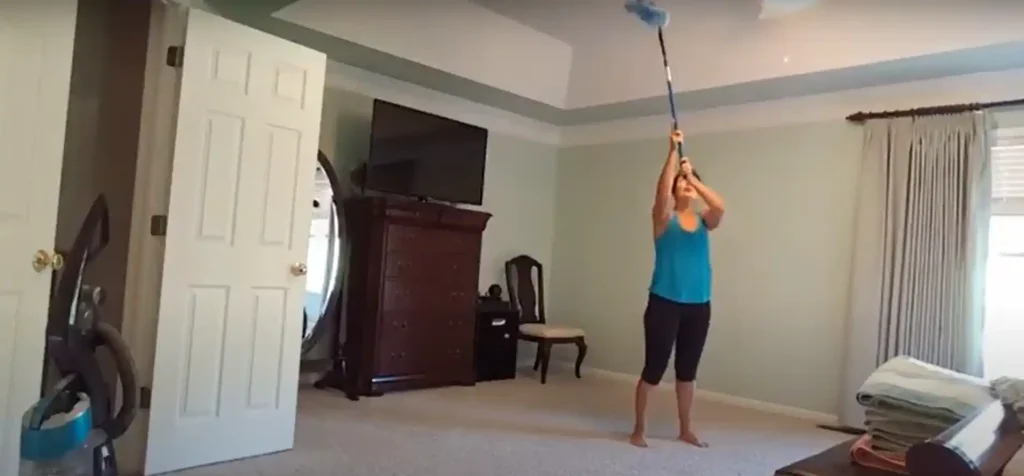
Dusting
Cleaning experts advise kicking off a major clean with good dusting, which can be a great workout. Thomas says dusting can engage your shoulders and arms, especially when reaching high.
Her gym-worthy advice intermittently incorporates lunges or squats as you move around the room. She also suggests carefully adding standing side leg lifts while tackling shelves, turning dusting into a full-body endeavor.
For any chore, Morris urges you to alternate hands to create muscular balance and avoid maxing out your dominant side.
[su_note note_color=”#cfedfd”]See also: cleaning tips for a fresh smelling home[/su_note]
Bathrooms
Cleaning a full bathroom can be grueling and time-consuming, but it’s great exercise. Tackling stubborn dirt and grime on different surfaces like floors, showers, bathtubs, mirrors, and toilets involves a lot of movement and hitting muscle groups.
Scrubbing really engages muscles in your hands, arms, and shoulders. Thomas suggests incorporating your legs into the equation with standing calf raises and squats while cleaning. You’ll feel the burn, especially with squat holds.
The good news is that all this cleaning provides a full-body workout and keeps your bathroom streak-free.
Kitchen
Targeting similar muscle groups in the kitchen as in the bathroom can be effective. Thomas suggests incorporating standing calf raises, squats, and lunges while moving around the space.
Incline push-ups against your countertops are easier than the traditional version. To amp up your workout, focus on loading and unloading the dishwasher, which requires a full range of motion, from stooping to reaching up to a shelf.
Morris says this is a great opportunity to carefully do air squats, which are simple standing squats without any additional weights.
[su_note note_color=”#cfedfd”]See also: what does it mean when you dream of cleaning a dirty house[/su_note]
Floor Cleaning
Cleaning floors is a great way to move around and cover the entire square footage of your home. No matter the kind of floor cleaning, you’re always walking, which burns 4-6 calories per minute.
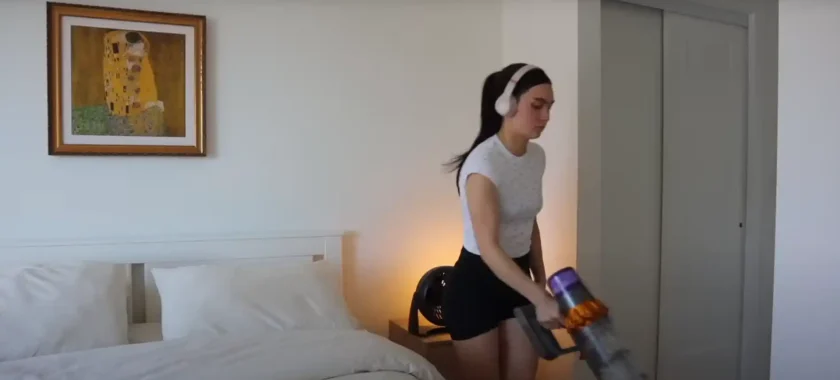
Each specific floor-cleaning activity has a different impact. Sweeping is the least calorie-intensive since brooms are light and the motion is limited. Using a vacuum cleaner involves more work and can be a real workout if you turn it into a series of stepping forward and kneeling extensions.
Mopping is the hardest exercise of the three, especially when dealing with tough dirt. It requires extensive arm and upper body muscle use to get the floors shining.
Scrubbing Walls, Cabinets, and Floors
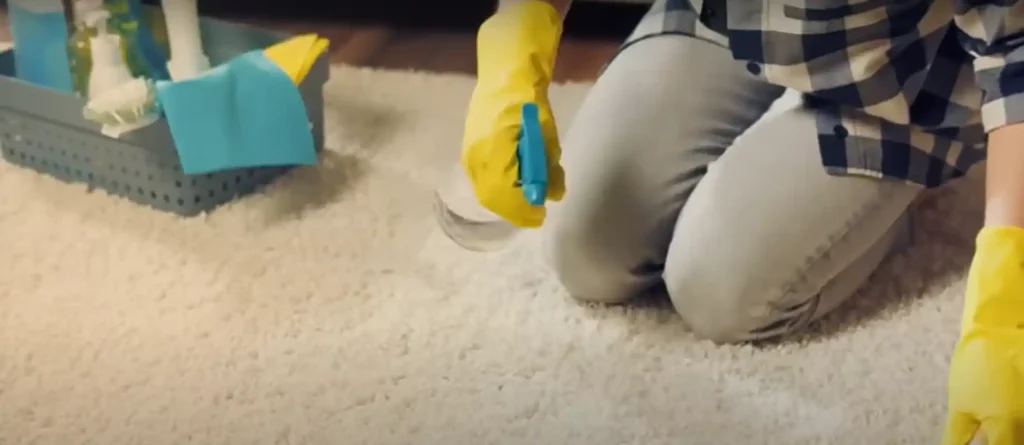
Scouring a tough stain or caked-on gunk from a wall shows why cleaning as exercise is rated moderate intensity.
Using a brush or sponge with powerful cleaning solutions requires arm strength and a back-and-forth motion to clean vertical surfaces. By the end of the day, your cabinets and walls will be spotless, but your muscles will be sore.
Cleaning Windows and Mirrors
Cleaning windows is similar to scrubbing walls, but it requires less muscle strength. A gentle circular motion helps to clear spots without much effort, making it a light exercise.
Spray the windows and mirrors with a glass cleaning solution, grab a paper towel or old newspaper, and start scrubbing. This method keeps your walls and glass surfaces clean and gives you a bit of exercise, too.
[su_note note_color=”#cfedfd”]See also: what are the qualities of a good home[/su_note]
Rearranging a Room
Rearranging a room can be an intense house-cleaning exercise. There is a major caveat when moving heavy furniture: be physically prepared with stretches or a helper.
If you have moved houses or apartments without the help of movers, you know why it’s a heavy workout. Using plastic sliders makes it easier to push furniture around the room, but if you’re looking to sweat, try lifting it off the floor and moving it. Just be ready to take a break when you need one.
Laundry
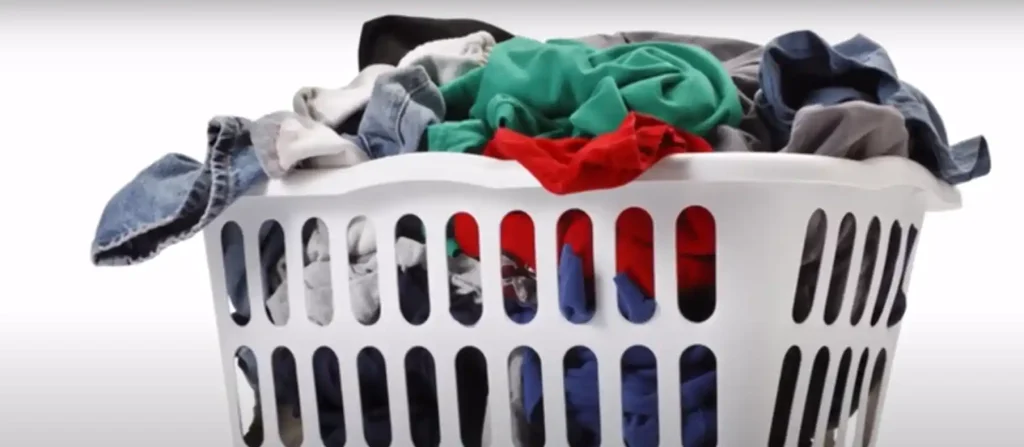
Folding clothes might be your least favorite chore, but you are not alone. It is an opportunity to incorporate a workout. Thomas suggests doing push-ups or modified push-ups at an incline against the bed or couch while folding clothes.
Try adding five push-ups between every five pieces of folded clothing. This way, you turn a simple task into a beneficial exercise.
[su_note note_color=”#cfedfd”]See also: why is it important to keep your house clean[/su_note]
Yardwork and Gardening
Housework can be a great exercise, offering the added benefit of being outdoors in the fresh air and sunshine. Yardwork and gardening include many tasks that provide a moderate-intensity workout.
Weeding in the dirt and pulling weeds with your hands or a weeding tool requires significant arm muscle usage. Planting involves tilling the soil, preparing plots for new plants, and moving rocks and tough roots. Raking leaves is like sweeping floors: You use your back muscles to drag the rake across the grass and pile the leaves high.
Installing landscaping and moving furniture or bricks for a backyard feature can be a solid workout. Watering plants is a walking exercise; carrying a large watering can that weighs around ten pounds can help you burn 6-7 calories a minute as you move around the yard when it’s full.
FAQ
Does Cleaning a House Count as Exercise?
If you hate going to the gym, you can still burn calories by doing chores around the house or in the yard. This is part of non-exercise activity thermogenesis (NEAT), which includes the energy you use doing anything except sleeping, eating, or structured exercise. House and yard work can boost your metabolism and help you manage your weight.
Is Housework as Good as Exercise?
Guidelines say every physical activity you do throughout your day counts. This includes walking, dancing, and household chores. It may not be called exercise, but all these activities add up to your daily physical activity. They are all beneficial for better sleep and brain health, as well as for lowering the risk of cancer and cardiovascular diseases.
Does Cleaning a House Burn Calories?
According to experts, cleaning your house can burn up to 500 calories. To maximize your workout, focus on intense activities like scrubbing floors, vacuuming, and washing windows. This not only maximizes the workout but also ensures your house is spotless. So, the next time you clean, remember you’re not just tidying up; you’re also getting a great workout.
Is Housekeeping a Good Workout?
Thomas brings good news: cleaning floors can be a mini-workout. When you vacuum and mop, you engage your core muscles, arms, and shoulders. This means that regular housework not only keeps your home clean but also provides solid physical activity. So next time you clean, remember you’re also getting a great workout, benefiting your core muscles, arms, and shoulders.
conclusion
Striking a balance between immediate needs and finding time to exercise can be challenging. House cleaning offers a practical solution by serving as a form of exercise, allowing you to gain health benefits while managing daily chores. Activities like sweeping, dusting, and scrubbing can effectively burn calories and contribute to your fitness routine. Incorporating physical activity into cleaning tasks ensures you stay active and healthy, even with a busy schedule.