
Working Hours : Monday to Friday (9am - 5pm)


30
June
Cleaning a house that hasn’t been attended to for years requires a methodical approach and perseverance. Having recently moved into such a neglected home, I understand the enormity of the task firsthand.
It’s not just about cleaning; it’s about ensuring the safety and readiness of the space for yourself and your loved ones. Here’s how to tackle this challenge effectively. Start by assessing the state of the home.
How to Clean a House that Hasn’t been Cleaned in Years-The Answer
[su_note note_color=”#cfedfd”]Cleaning a house neglected for years needs careful planning. Assess its condition, gather supplies, and remove trash. Clean room by room, using the right solutions for surfaces. Be patient with stubborn grime, limescale, and grease. Ensuring cleanliness prevents health risks from long-term neglect.[/su_note]
This initial step is crucial to gauge the level of tidying required. Prioritize tasks that ensure a thorough cleaning. For more intensive cleaning needs, consider enlisting a professional move-in cleaning service. This approach saves time and swiftly ensures a safe and clean environment.
Formulate a Plan Before You Start Cleaning
Before diving into the daunting task of cleaning a house that hasn’t seen a clean in years, it’s crucial to formulate a clear plan. Take a moment to survey the house and note areas needing attention.
Estimate the time needed and gather all necessary supplies, including EPA-approved products and protective gear like gloves and face masks. Starting with a plan helps stay motivated and organized throughout the cleaning process.
[su_note note_color=”#cfedfd”]See also: cleaning tips for house cleaners[/su_note]
Personalize your approach by setting achievable targets and breaking down tasks into manageable steps. Consider outsourcing specialist tasks like oven cleaning to professionals for optimal results, allowing you to focus on other essential cleaning tasks.
Throw Away All of the Unwanted Items
When cleaning a house that hasn’t been attended to in years, the first crucial step is systematically tackling the accumulated trash. Grab garbage bags and proceed room-to-room, discarding any belongings left behind.
Left stagnant for so long, these items often gather dust, dirt, cobwebs, and sometimes mold. Use rubber gloves for safety while handling and ensure everything unnecessary is swiftly disposed of. This clears the way for a more thorough cleaning process ahead.
Source & Organise the Right Cleaning Supplies
Having the right cleaning supplies at hand is crucial when tackling the challenge of cleaning a severely neglected house. It saves time and ensures the job is done effectively. Using the wrong cleaning solutions can lead to disappointing results—it’s like putting diesel in a petrol car; it just doesn’t work.
Opt for bathroom descaling solutions and possibly mold and mildew remover for tougher areas. Kitchens require degreasing cleaners to break down stubborn grease.
Pay attention to woodwork and glossed areas prone to dark patches from grease build-up; a degreaser works better than standard cleaning solutions here. Additionally, ensure you have bin liners, storage boxes, cloths, and abrasive pads for thorough cleaning across different surfaces.
Start the Deep Clean Room by Room
When tackling a house that hasn’t been cleaned in years, it’s crucial to approach it methodically. Begin with the room that has the most impact on you, often the kitchen or living room, as these can affect your daily life the most.
Clear out the rubbish first using rubbish bags or storage boxes, or even set up sort-later boxes for items you’re unsure about. For rooms like the kitchen, where cupboards are often crammed, clear them individually, using a table to organize contents.
[su_note note_color=”#cfedfd”]See also: how to prepare for a house cleaner[/su_note]
A deep clean isn’t complete without cleaning the insides and tops of cupboards, areas often overlooked. Work methodically from the top down, addressing dust and dirt before cleaning the floor or worktops. This ensures no area is missed, making the cleaning process more effective.
Removing heavy build-up
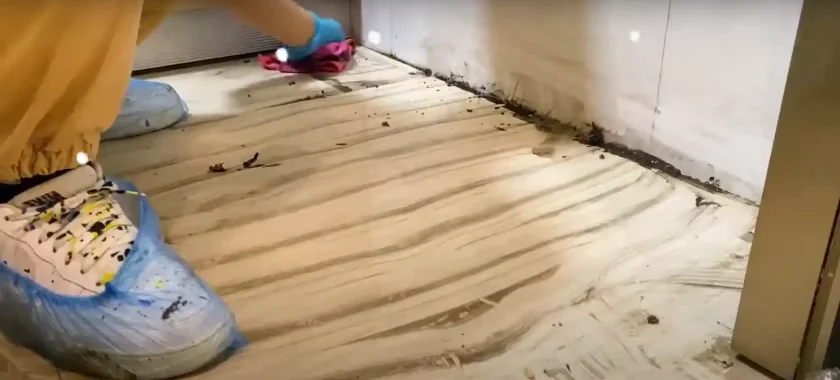
Cleaning a home that has been neglected for years can be daunting. However, removing heavy build-up requires the right methods and equipment. First, identify the areas with the highest build-up.
Use the correct solutions and give them sufficient dwell time. Often, people make the mistake of simply spraying and wiping, which is ineffective. From my experience, the key is to include a thorough plan and ensure you use the right tools.
[su_note note_color=”#cfedfd”]See also: cleaning tips for moving into a new home [/su_note]
For example, in high-traffic areas, allow the solutions to sit longer before you start removing the grime. This approach prevents the disheartening and frustrating feeling of incomplete cleaning. It’s important to be patient, as giving the solution time to work is crucial.
I remember completing a deep clean of a neglected kitchen; the correct products and methods made all the difference. Always be prepared with a second cleaning round for particularly stubborn build-up. Examples of effective products are those that tackle heavy grime without damaging surfaces. By taking these steps, you can ensure a clean, refreshed home.
A few examples of this in the highest build-up areas are:
Cleaning the toilet
When it comes to cleaning the toilet in a house that hasn’t been cleaned in years, it’s crucial to tackle extreme limescale buildup effectively. First, remove the water from the toilet.
Adding toilet cleaner to a toilet filled with water will dilute the cleaner, making it less effective. Instead, add the cleaner to the empty toilet and leave it for 15 minutes. Despite common belief, leaving toilet cleaner in the toilet overnight doesn’t help much since the cleaner stops working after 15 minutes.
[su_note note_color=”#cfedfd”]See also:which part of the house should be cleaned first[/su_note]
So, it’s best to leave it for 15 minutes, then remove the buildup by scrubbing. If necessary, repeat this process. This method ensures the cleaner works at its best, making the toilet clean and fresh.
Removing limescale
Using the right tools and techniques is key when removing heavy build-up in a house that hasn’t been cleaned in years. Start with a limescale remover; a foam type is better as it sticks longer. Give the solution enough time to do its job. You might need to agitate the material you’re cleaning.
For taps that have been neglected, you’ll often find lumps of limescale. You can knock these off with a blunt knife—just be sure not to scratch the stainless surfaces. Be careful because removing heavy limescale can damage thin stainless steel. If the build-up is thinner, use a scrubbing pad that’s suitable for the surface you’re cleaning.
Removing kitchen grease
When it comes to removing kitchen grease in a home that hasn’t been cleaned in years, start by assessing the grease build-up. If it’s thick, you might need to scrape it off, but be careful not to damage the cleaning material.
Use a degreasing solution, preferably a foam for vertical surfaces. Agitate the area with an abrasive pad, but choose the right level of abrasive to avoid harming the surface material. For example, you don’t want to damage a gloss surface.
Since grease tends to cling, keep a bucket of warm water nearby to rinse your scrubbing pad. Adding a bit of degreasing solution or washing-up liquid to the water can help break down the buildup more effectively.
Removing hand grease
When removing hand grease from gloss woodwork in an extremely neglected home, you’ll often find brown patches caused by people’s skin. Using a general cleaner can be difficult, so a degreaser is better.
You don’t need to agitate with anything abrasive; instead, use a microfibre cloth. Fill a bowl with warm water, spray the degreaser on the area, give it time to work, then scrub with the cloth, rinsing frequently.
Cleaning such a neglected property is hard work and can affect people’s moods, so get help from friends, family, or professional cleaners if you can afford it. Always remember that the effort is worth it in the end.
[su_note note_color=”#cfedfd”]See also: best place to buy home cleaning suppliesfirst[/su_note]
FrequentlyAsked Questions
What Happens if You Don’t Clean Your House for a Year?
If you don’t clean your home for a year, it becomes a perfect place for bacteria, viruses, parasites, fungi, molds, and pests to thrive. These harmful organisms love dirty, stale environments and can turn your house into a hotbed of disease. Your living space will quickly become unhealthy and unpleasant without regular cleaning attention.
What is the Fastest Way to Clean a Big House?
According to Sardone, the fastest way to clean a big house is to start at the top of the room, such as dusting the ceiling fan, and work your way down to the floor to avoid redundant work. Cleaning from left to right ensures you cover the entire room without darting from place to place. This method saves time and makes sure every part of the room is thoroughly cleaned.
What is the 30-Minute Cleaning Rule?
When tackling a neglected house, use the 30-minute cleaning rule. Dedicate 30 minutes each day to one room. This way, you don’t try to clean everything at once, making the job easier. Over a week, this method helps you stick to a routine, seeing progress without feeling overwhelmed. From my experience, this approach ensures a cleaner home without needing longer hours, and it’s a great idea to maintain cleanliness efficiently.
Conclusion
Cleaning a house that has been neglected for years requires a methodical approach and perseverance. Having moved into an extremely neglected home, I know the task is enormous. It’s not just about cleaning; it’s about making the space safe and ready for loved ones.
Use the right tools, like a degreaser for brown patches and a microfibre cloth with warm water. If needed, seek help from friends, family, or professional cleaners. The effort is hard work, but remember, it’s worth it for a comfortable and welcoming home.